Here at Union County Extension, the questions we get change with the seasons. This time of year, we often get questions abouts lichen. Lichen is the white, or green, or blueish green splotches on tree trunks and tree limbs. They can be all kinds of textures like hairy, or fuzzy, or scaly and flaky and curled up on the edges. Some are crusty and grow on rocks, or even on bare soil. But when the leaves are off the trees, Lichen becomes more apparent because they are often the only green thing left that catches your eye.
Does Your Tree Have Lichens?
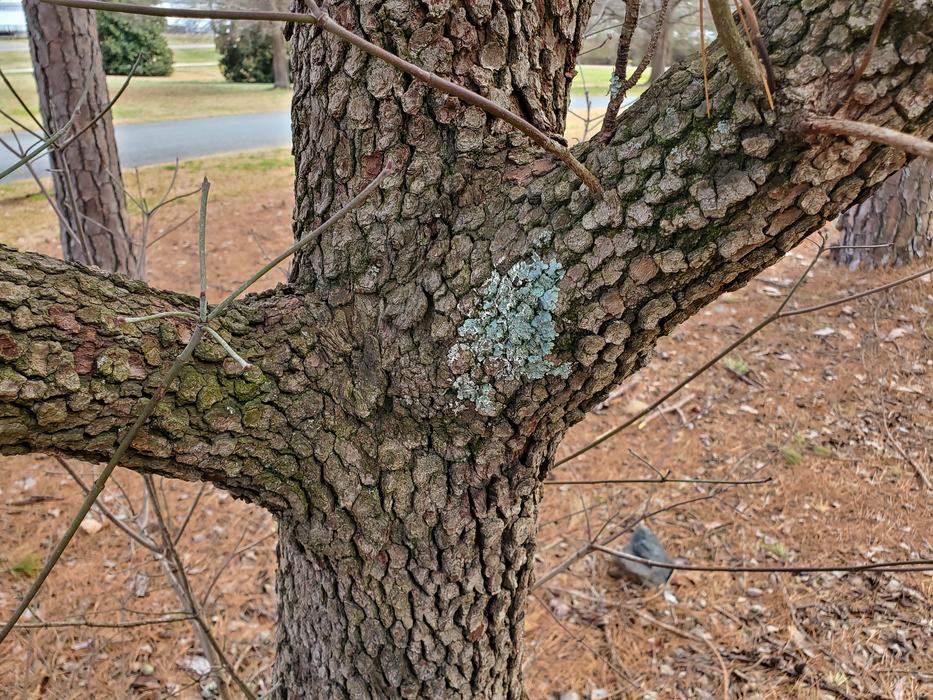
Lichens are often mistaken for moss, but they are not moss nor related to any plant. They are actually a combination of two, or sometimes even three different species living in a mutually beneficial symbiotic relationship. In this case, the species are an algae and a fungus, or a cyanobacteria and a fungus, or sometimes all three: an algae, a cyanobacteria, and a fungus. The fungus provides the physical structure and shape of the organism, and anchors the organism to something like a tree trunk or a rock, and gathers and holds moisture. In return, the algae or the cyanobacteria perform photosynthesis, turning sunlight into energy in the form of carbohydrates for both itself and the fungus. When all three are present, they can even capture atmospheric nitrogen and fix it into a form that is available to themselves and also plants, just one of the many ways lichens contribute to the ecosystem.
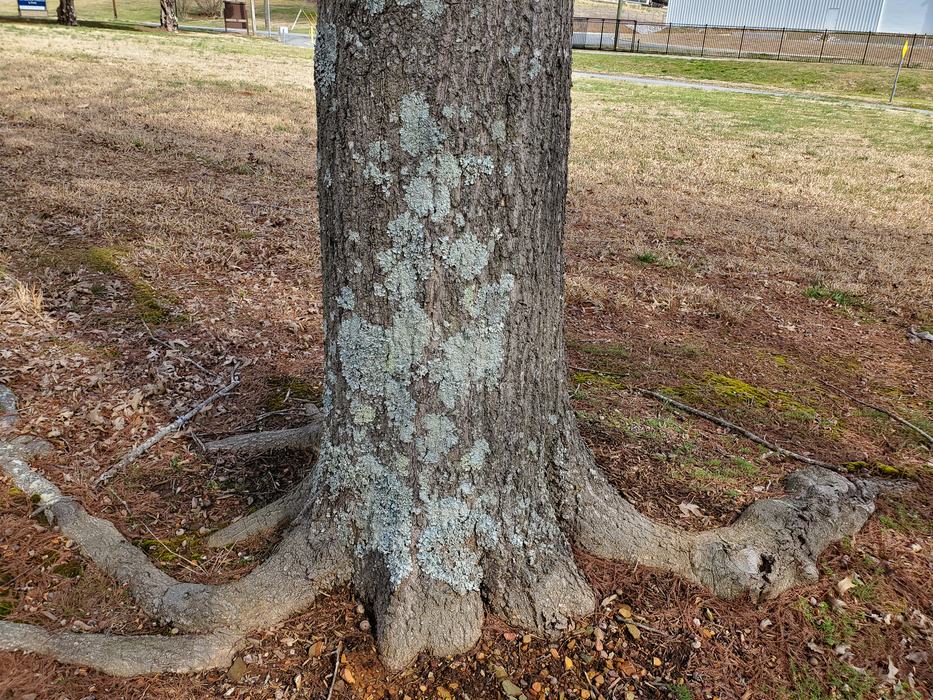
Lichens are found around the world, from the arctic to the deserts, and from the equator to the far north. They can tolerate extreme conditions like growing on bare rock and can live for thousands of years. One study estimated that lichens dominate up to 8% of the entire surface of the Earth, including the majority of land area in high latitudes such as northern tundra and taiga ecosystems. Lichen is pretty much all caribou eat all autumn and winter, and it’s also popular with reindeer, moose, and musk oxen. In Union County, white tail deer will nibble on lichen in the winter, because while they are no good leaves available to eat, lichens are always present, and they’re rich in carbohydrates and trap and hold moisture. Lichens are sensitive to air pollution including nitrogen and sulfur emissions, as well as toxic lead and mercury emissions. So, if you see lichens on your trees, that is a good sign for your air quality.
Join our mailing list!
Enter your email address to receive updates.
Written By