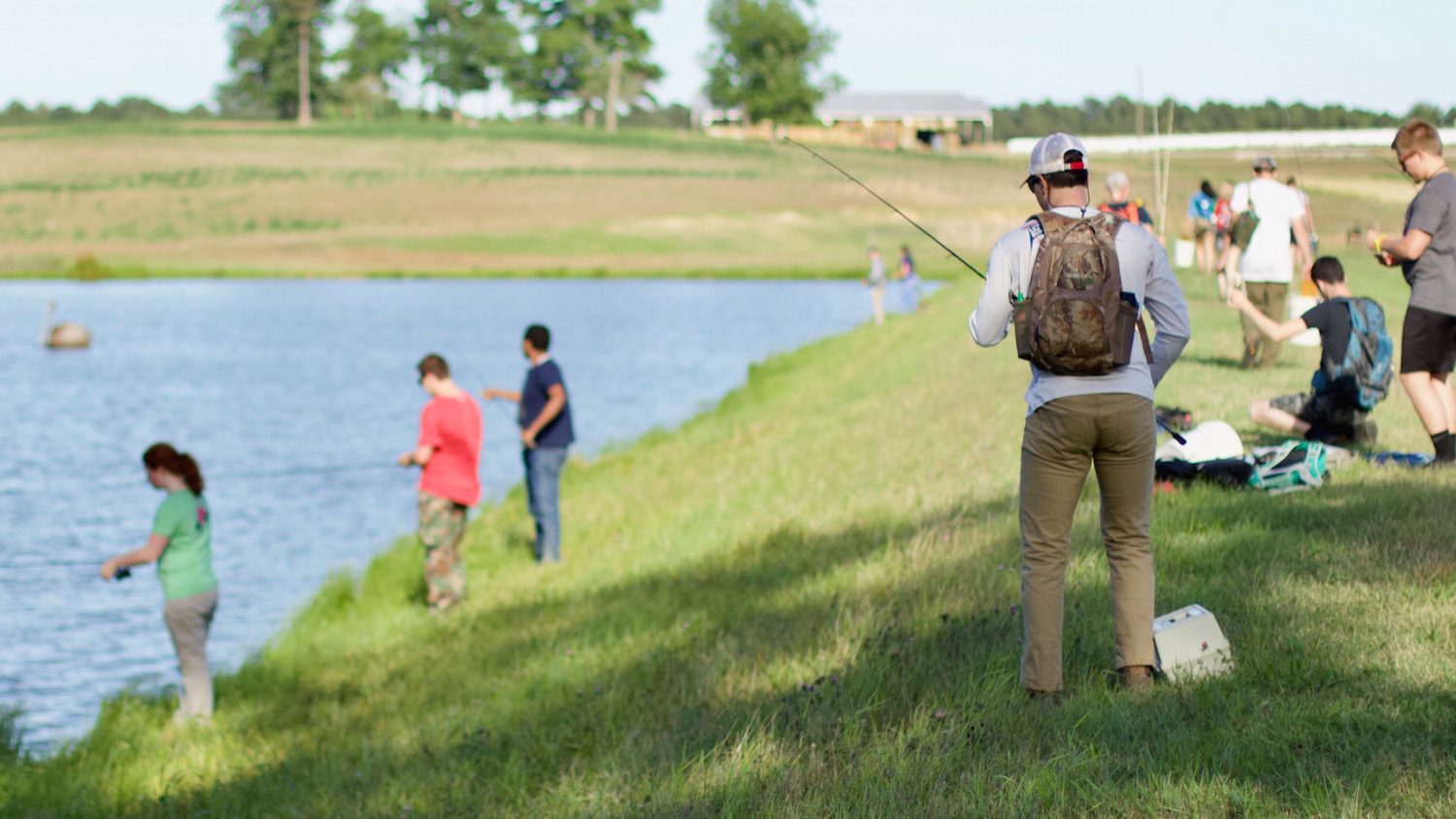
As we welcome spring and the warmer weather, weeds are showing their face in our recreational ponds. Weeds are a natural part of the landscape whether in yards, fields, pastures or ponds. The ecosystem of a pond is usually stable, but fluctuations from weed overload or errors in controlling weeds can upset the balance of a pond and cause major problems. Weed control is a lot like going to the doctor when you are sick. The doctor must know what is wrong before prescribing treatment. Same with weeds. There is no one product that cures every weed so we need to know which weeds we are dealing with. This helps you to get a quicker more efficient control that can save you money and not be harsh to the environment. When planning a weed control program, you need to start early. Keep a check on your pond for changes in weed population, water color, or fish activity that might need to be addressed. When you spot weeds or algae, the next step in control is to get a positive identification of the weed. If you are unsure, contact the Union County Extension office for assistance in identification. Once the weed is identified, the proper control method can be selected (mechanical, biological, chemical) and the weeds can be treated according to proper protocol. When you treat at the right time, stage of growth, rate of product, etc., most weeds can be effectively controlled. Small changes can disrupt the ecosystem of a pond. Improper treatment practices can lead to an imbalance of oxygen, harm beneficial plants, environmental issues, fish kills, and more. Proper management and weed control practices are imperative to maintain a healthy pond and keep the surrounding environment healthy as well.
Pond Management in the Spring
(Updated: March 11, 2022, 10:34 a.m.)
Join our mailing list!
Enter your email address to receive updates.
Written By